Wine facts
Wine tells stories, keeps secrets and reveals curiosities. We share some of our favorites that make each tasting even more special.
Interested in unraveling the mysteries of wine?
This is just a taste of what you can learn in our courses.
Wine tells stories, keeps secrets and reveals curiosities. We share some of our favorites that make each tasting even more special.
This is just a taste of what you can learn in our courses.
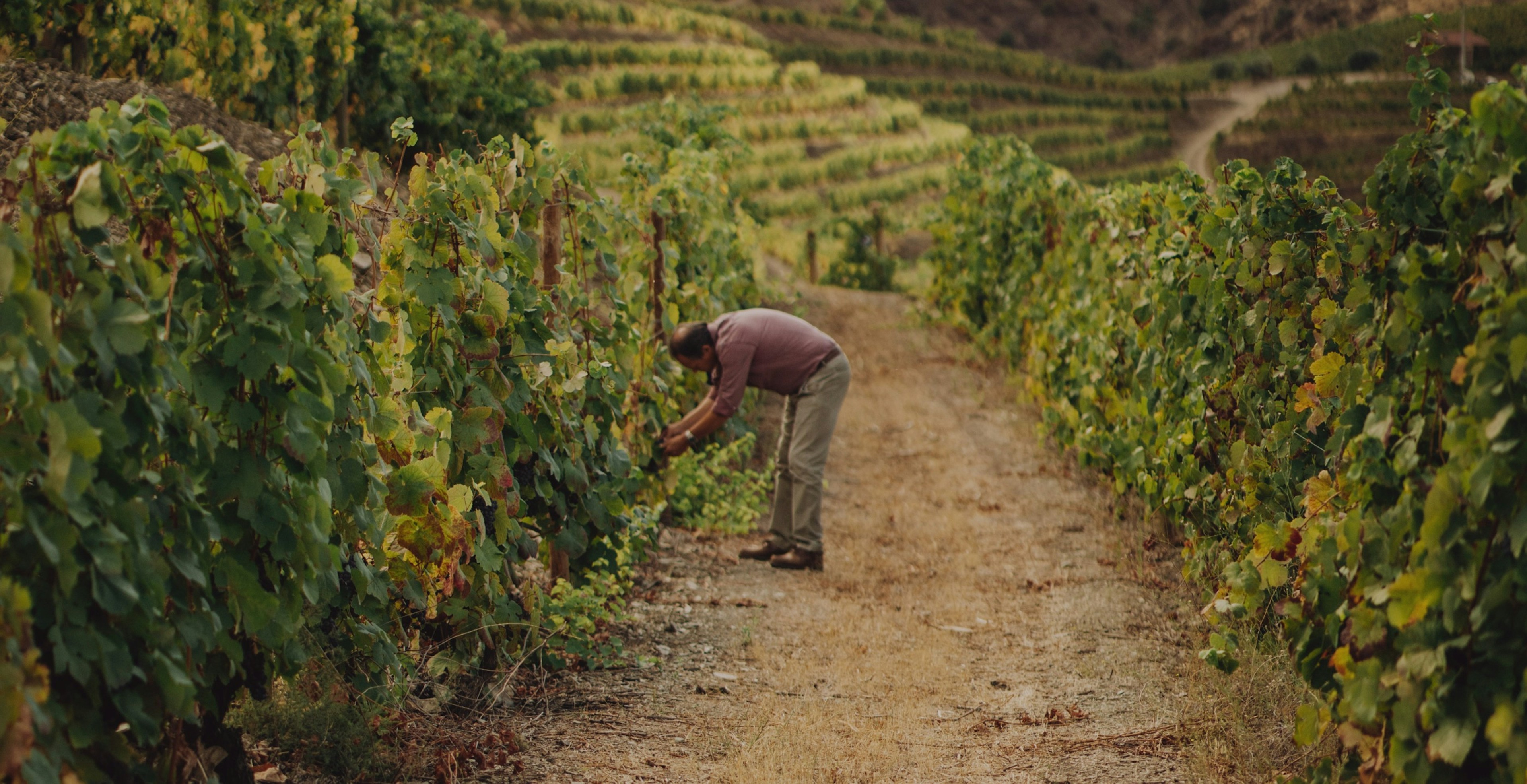
The essence of wine begins on the land, with the selection of grape varieties, the care of the vines and the passion of the winemakers. Discover surprising facts about the world of the vine and its curiosities.
The world of wine has its own vocabulary, which can seem intimidating. We demystify "vinhês" and give you the tools to talk about wine with confidence.
Acidity is an essential component of wine, giving it freshness and liveliness. Wines with good acidity are generally more balanced and gastronomic. All wines have acidity.
Aromas present in wine that are reminiscent of incense, resins or vegetable balms. It is a noble aroma.
It has nothing to do with sight. A tasting is said to be blind only when the taster is unaware of the wine they are tasting - brand, region, year, etc.
Champagne refers exclusively to sparkling wines produced in the Champagne region of France; the name is protected worldwide. Say Sparkling when referring to other regions. Example: Cava is a sparkling wine.
It characterizes a wine with a lot of volume/body in the mouth.
Three-liter bottle, equivalent to four regular bottles (Champagne), to 4.5 liters, or six regular bottles (Bordeaux) depending on the region.
It refers to a wine without color, open. It is sometimes used as a synonym for deprived, punished by treatment.
Protected Designation of Origin. PDO is the Community designation adopted for wine products whose originality and individuality are inextricably linked to a particular region, place or traditional appellation, and whose specific quality or characteristics are due to the geographical environment, natural and human factors. These products are subject to specific control rules aimed at guaranteeing authenticity and quality and can be labelled as DOC. Protected Designations of Origin for European wine products are part of a single Community register.’
Terraced cultivation is carried out on earthen platforms supported by small walls on sloping land (suitable for growing vines).
Say "wine" or "still wine" (after all, they're all table wines...).
This is just a taste of what you can learn in our courses.
If you have any questions, suggestions or special requests, please send us a message.


